Travel Reflection
The Silence in the Alps: What a Connectivity Failure Taught Me About Modern Risk
AeroeSIM Team
December 14, 2025
5 min read
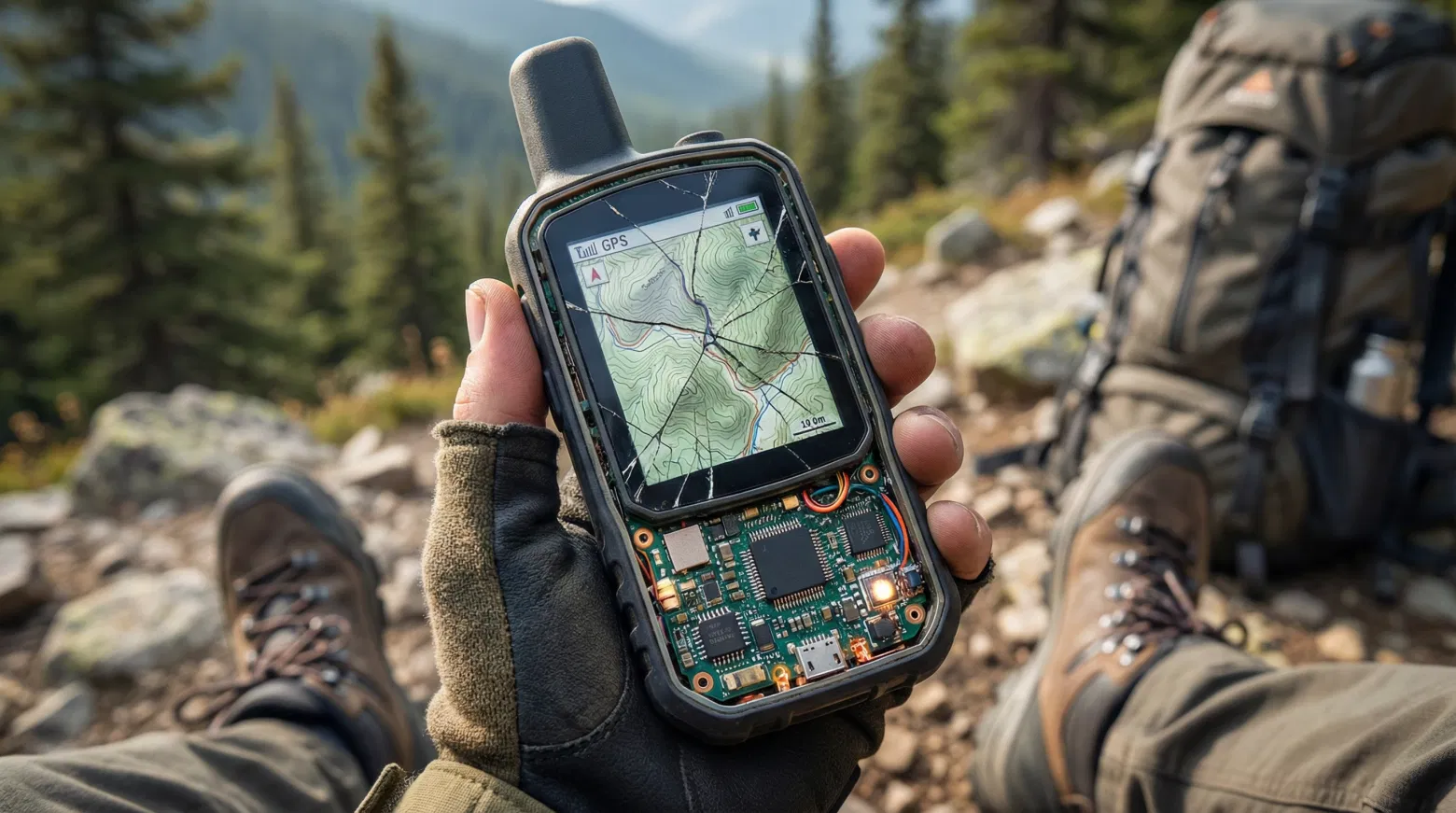
The silence was absolute. Not the peaceful, meditative silence of a yoga retreat, but the heavy, suffocating silence of being digitally severed. I was halfway up a mountain pass in the Swiss Alps, a rental car engine cooling beside me, and a phone screen that displayed a stubborn "No Service." It wasn’t a life-or-death situation—I had water, a warm jacket, and a vague idea of the route—but the psychological impact was immediate and profound. This wasn’t just about not being able to check email; it was about the sudden realization of how much of my confidence was outsourced to a network signal.
For years, I had prided myself on being a "low-maintenance" traveler. I mocked the over-prepared, the ones with satellite phones and printed maps. I relied on the ubiquity of modern infrastructure, assuming that in the heart of Europe, a signal was as guaranteed as oxygen. That afternoon in the Alps dismantled that arrogance. The failure wasn’t technical; it was strategic. I had relied on a single, local SIM card bought at the airport, assuming its coverage map was a promise rather than a suggestion. I hadn’t considered redundancy. I hadn’t thought about the shadow zones where geography mocks technology.
This incident forced a re-evaluation of what "risk" means in the modern age. We often think of risk in physical terms—injury, theft, illness. But for the modern professional or traveler, digital isolation is a distinct form of risk. It’s the risk of missed opportunities, of unanswerable emergencies, of a sudden, jarring loss of agency. The ability to connect is not just a convenience; it is the control panel for our lives. When it goes dark, we are left piloting a complex machine by feel alone.
In the weeks that followed, I started observing how others managed this invisible risk. I noticed a distinct divide. There were those who, like my former self, treated connectivity as a utility they hoped would work—a passive reliance. And then there were those who treated it as a critical asset to be managed—an active strategy. The latter group didn’t just buy a SIM card; they built a connectivity architecture. They understood that in a world of [seamless global communication](/global-travel-psychology), redundancy is not paranoia; it is professionalism.
This shift in perspective changes how you pack, how you plan, and how you move. You stop looking for the cheapest data plan and start looking for the most resilient one. You begin to value the ability to switch networks instantly, to have a backup carrier ready to deploy at the tap of a screen. It’s a move away from the fragility of single-point dependence toward the robustness of diversified access.
The lesson from the Alps wasn’t that technology is unreliable. It was that our reliance on it requires a sophistication that matches its importance. We cannot navigate a hyper-connected world with a passive mindset. True freedom in travel comes not from disconnecting, but from the deep, quiet confidence that you can connect whenever, and wherever, you need to. It is the difference between hoping for a signal and ensuring one.