Global Mobility
The Invisible Lifeline: Why Connectivity is the Core of Expat Relocation and Global Mobility
AeroeSIM Team
December 13, 2025
5 min read
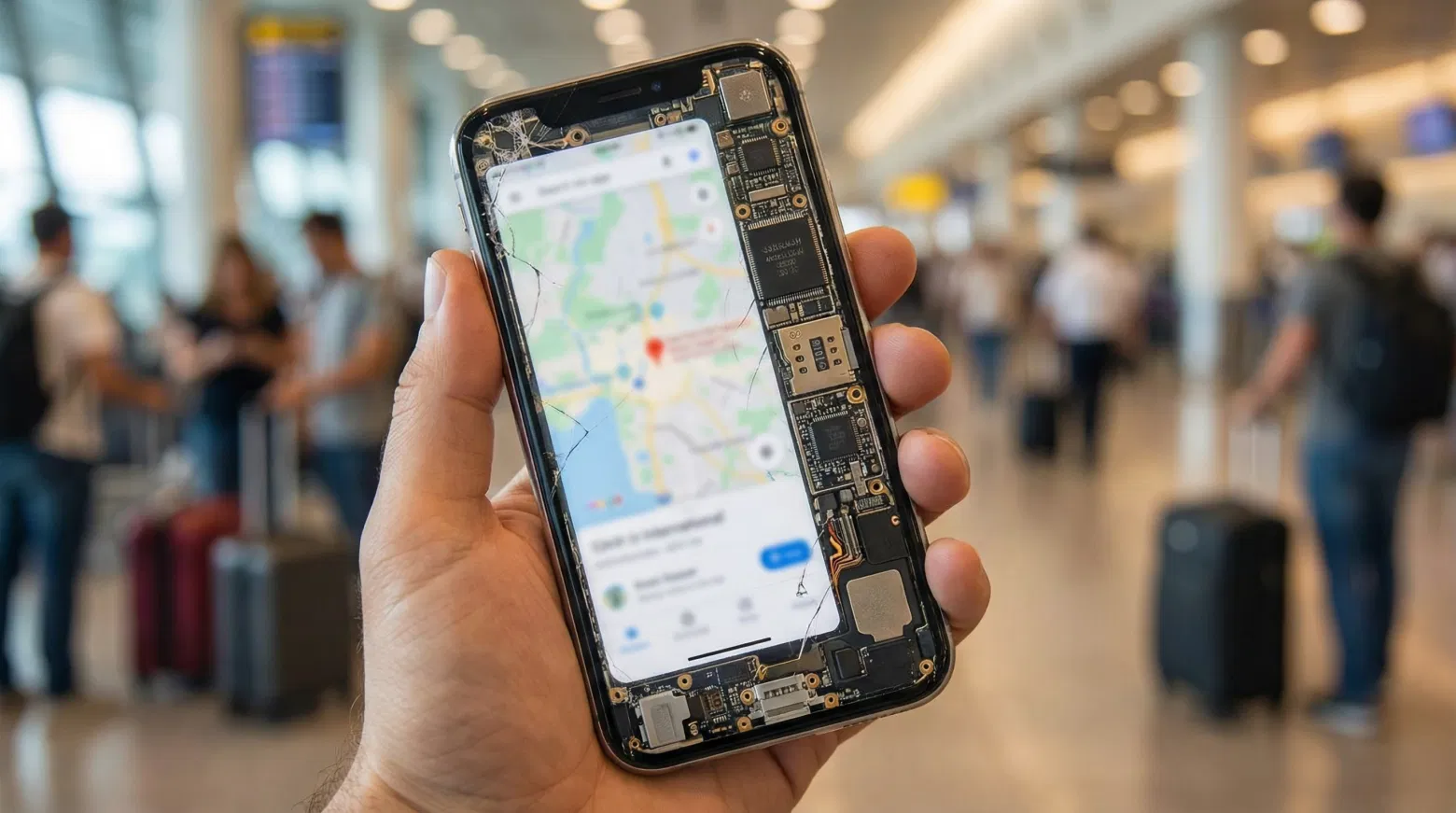
In an era defined by unprecedented global mobility, the ability to remain connected is no longer a luxury but a fundamental necessity. For expatriates, digital nomads, and business travelers, a stable and reliable internet connection is the invisible thread that weaves together their personal and professional lives across borders. Whether navigating the chaotic streets of Bangkok, attending a conference in Berlin, or road-tripping through the American West, the modern traveler’s journey is intrinsically linked to the digital world. This reality has transformed the very nature of relocation and travel, placing a premium on seamless connectivity solutions that can keep pace with a life in constant motion.
The psychological weight of being disconnected in a foreign land cannot be overstated. It is a feeling of isolation that extends beyond the inability to check emails or scroll through social media. It is the sudden, unnerving silence when a video call to a loved one drops, the anxiety of being lost in an unfamiliar city without access to maps, and the professional repercussions of missing a critical virtual meeting. These moments, though fleeting, underscore the deep-seated human need for connection, a need that is amplified when one is thousands of miles from home. For the expat, connectivity is the lifeline to their past, a bridge that mitigates the acute sense of displacement that often accompanies a major move. It is the ability to maintain a professional identity through remote work and to access familiar cultural touchstones, both of which are crucial for mental well-being during the challenging initial phases of relocation.
The search for reliable connectivity is a recurring theme in the narrative of every global citizen. It begins with the meticulous pre-departure planning, where one pores over forums and reviews, trying to decipher the best way to stay online upon arrival. The initial challenge is often two-fold: securing immediate mobile access and establishing long-term home internet. Traditional mobile options, such as purchasing a local SIM card, often involve a frustrating labyrinth of language barriers, complex registration processes, and the inconvenience of juggling multiple numbers. In a place like Germany, for instance, the bureaucratic process for activating a new SIM can be surprisingly slow, requiring passport verification and sometimes a local address, a hurdle for a newly arrived expat. Similarly, setting up a fixed-line internet connection in a new apartment, particularly in regions with older infrastructure or complex tenancy laws, can take weeks, leaving the new resident reliant on temporary, often expensive, alternatives.
The rise of international data plans and innovative technologies has been a game-changer for the globally mobile. These services are designed with the specific needs of the modern traveler in mind, offering a level of flexibility and convenience that was previously unimaginable. They provide a single, unified solution that works across multiple countries, eliminating the need to constantly switch SIM cards or hunt for Wi-Fi hotspots. This not only saves time and reduces stress but also ensures a consistent and predictable online experience, which is crucial for productivity and peace of mind. For the business professional on a multi-city tour, this means being able to step off a plane and immediately be connected, ready to respond to urgent emails or join a video conference without delay. For the digital nomad setting up a temporary base in a bustling café in Lisbon, it means having the freedom to work with confidence, knowing that their connection is stable enough for high-bandwidth tasks.
The choice of a connectivity solution is deeply contextual. For the family relocating to a new continent, the priority shifts from immediate mobile access to securing a high-speed, high-capacity home network for remote schooling and entertainment. This often involves navigating the local landscape of fiber and cable providers, a process that requires a deep understanding of local service contracts and reliability metrics—a classic example of the E-E-A-T required to successfully manage a global move. Conversely, for the solo traveler exploring the vast, remote landscapes of the American West, the challenge is coverage, not speed. Here, satellite-based or specialized mobile hotspots that leverage multiple carrier networks become the only viable options, underscoring the need for diverse and adaptable [reliable connectivity solutions](/articles/reliable-connectivity-solutions).
The evolution of connectivity solutions is not just about technological advancement; it is about empowering a new generation of global citizens to live and work without borders. It is about recognizing that in our interconnected world, the freedom to roam is intrinsically tied to the freedom to connect. As more people embrace a lifestyle of mobility, the demand for seamless, reliable, and truly global connectivity will only continue to grow, shaping the future of travel and redefining what it means to be at home in the world.
The journey of an expatriate is one of constant adaptation, a dance between embracing the new and holding on to the familiar. Connectivity serves as the rhythm, a steady beat that provides a sense of normalcy and control in a life that is often in flux. It is the ability to manage finances, access healthcare, and stay informed about world events, all from the palm of one’s hand. This profound sense of security is what allows individuals to thrive in their new environments, to build communities, and to fully immerse themselves in the rich tapestry of different cultures.
The psychological impact of a reliable connection extends to the professional realm as well. In today’s globalized economy, remote work and virtual collaboration are the norm. A stable internet connection is the bedrock of this new paradigm, enabling professionals to contribute to their teams, meet deadlines, and advance their careers, regardless of their physical location. The ability to seamlessly transition between a local network in a new city and a secure corporate VPN is a non-negotiable requirement for many global roles. This necessity has driven the market toward [international data plans](/articles/international-data-plans) that prioritize security and low latency, recognizing that a dropped connection during a high-stakes negotiation can have significant financial consequences.
Furthermore, connectivity plays a critical role in cultural integration. It allows the expat to participate in local life, from using translation apps to navigate a market in Seoul to joining local interest groups and events advertised online. It transforms the experience from that of a passive observer to an active participant. The initial hurdle of language and cultural difference is softened by the ability to instantly access information and communicate, fostering a quicker and more successful integration into the host country.
The modern expat must master the art of digital logistics, balancing the cost-benefit of local contracts against the flexibility of global providers, and understanding the nuances of data throttling and fair usage policies. The peace of mind that comes with knowing you can always be reached, that you can always access the information you need, is invaluable. It allows for a deeper engagement with the travel experience itself, freeing up mental and emotional energy that would otherwise be spent worrying about connectivity issues. Instead of being tethered to a hotel room with a decent Wi-Fi signal, one can explore with confidence, knowing that [reliable connectivity solutions](/articles/global-connectivity-guide) are always within reach. This freedom to explore, to be spontaneous, and to fully embrace the serendipity of travel is perhaps the greatest gift of modern connectivity. It transforms the journey from a series of logistical challenges into a seamless and enriching experience, allowing the traveler to focus on what truly matters: the people, the places, and the moments that make the adventure worthwhile. The quest for connection is a universal human endeavor, and in our increasingly mobile world, it is the digital thread that binds us all.