Travel Psychology
The Psychology of Global Travel: Managing Connectivity Anxiety and Digital Dualism
AeroeSIM Team
December 13, 2025
5 min read
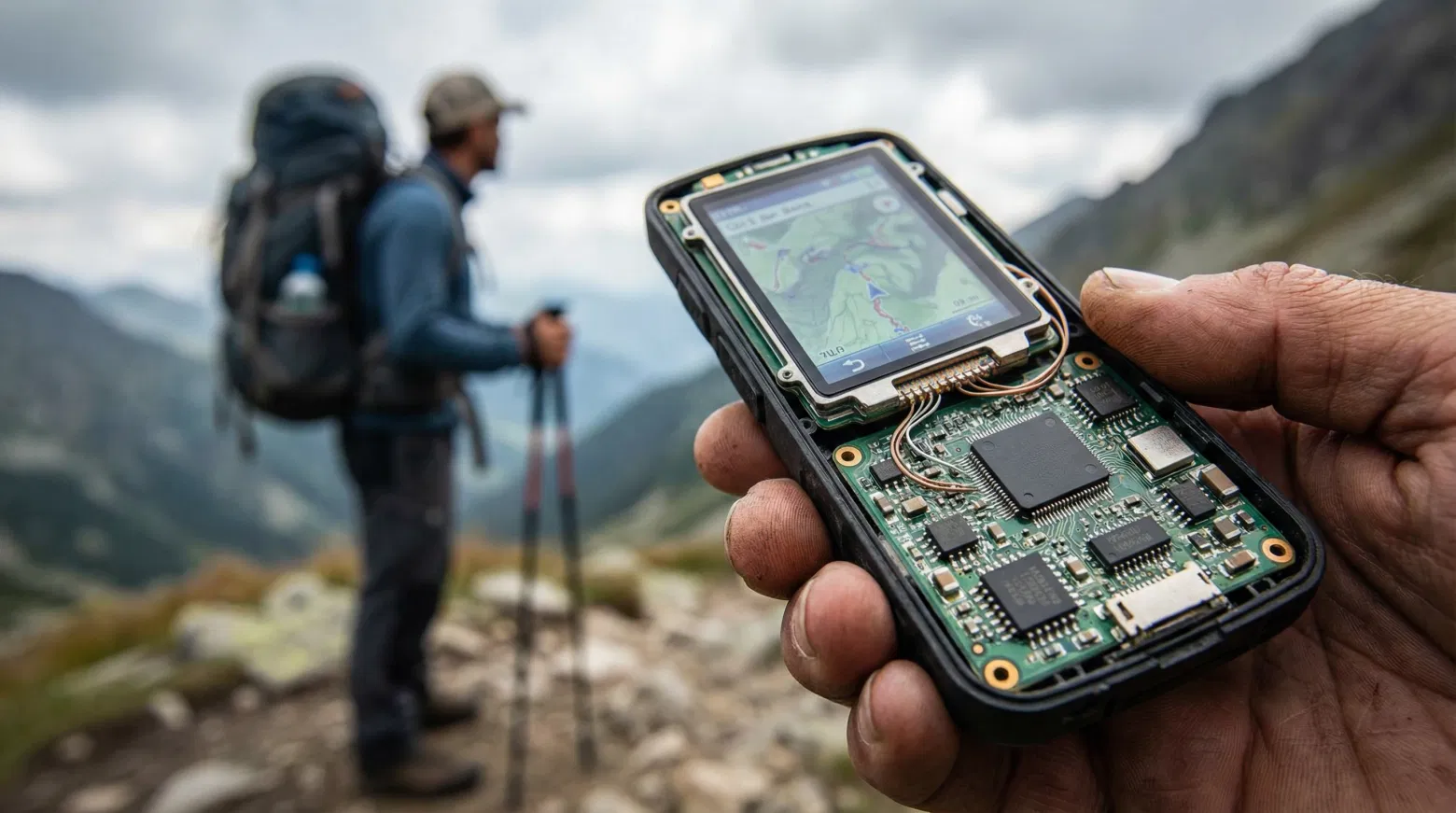
The modern traveler, whether a business executive, a digital nomad, or a student on a gap year, faces a unique set of psychological challenges that extend far beyond the well-documented phenomenon of jet lag. This is the realm of global travel psychology—the intricate mental and emotional landscape shaped by constant transition, cultural immersion, and the relentless demand for connectivity. It is a field that recognizes that the greatest friction in cross-border mobility is often not logistical, but cognitive.
The core of this psychological experience is the **paradox of modern mobility**. We are more connected than ever, yet the moment we step off a plane, we are often plunged into a temporary state of digital displacement. The anxiety of being unmoored—unable to confirm a booking, contact a loved one, or access critical work documents—is a profound stressor. This "connectivity anxiety" is a real-world manifestation of the fear of the unknown, amplified by the expectation of instant global access. The traveler’s brain is constantly running a background process: *Am I connected? Is it secure? How much will this cost?*
This digital displacement is often preceded by **anticipatory stress**. The planning phase of a global trip is no longer just about visas and packing; it's dominated by the complex calculus of international data. The traveler must navigate a labyrinth of roaming charges, local SIM card purchases, and device compatibility issues. This pre-trip mental load, the fear of being digitally stranded, is a significant psychological drain. The relief that washes over a traveler when their device instantly connects upon landing is not just convenience; it is the immediate cessation of this deep-seated anticipatory stress.
For the business professional, this psychological burden is compounded by the need for absolute continuity. Consider the high-stakes environment of attending a major tech conference in Berlin. The professional's focus must be entirely on networking, presenting, and absorbing industry insights. The success of the trip hinges on immediate, secure access to presentation files and client communications. A dropped connection or a slow, unreliable network is not merely an inconvenience; it is a threat to professional credibility and a direct source of performance anxiety. The mental energy spent troubleshooting a local SIM card or hunting for secure Wi-Fi is energy diverted from the primary goal of the trip. The most successful global operators understand that mental bandwidth is a finite resource, and they prioritize **reliable connectivity solutions** that eliminate this source of cognitive drain, allowing for peak professional performance.
The digital nomad, whose life is defined by the deliberate blurring of work and travel, faces a different, yet equally intense, psychological challenge: the search for the "third place." This is the psychological space of stability and routine that replaces the traditional concept of home. When constantly moving, say, from a co-working space in Lisbon to a beachside cafe in Bali, the only constant is the digital infrastructure. The ability to maintain a stable, predictable work environment relies entirely on **international data plans** that function seamlessly across multiple jurisdictions. This stability is not just about productivity; it is a critical anchor for mental well-being, reducing the feeling of perpetual rootlessness. Travelers often rely on digital platforms for instant access to these essential digital lifelines, transforming the initial chaos of arrival into a moment of immediate operational readiness.
The phenomenon of **digital dualism** further complicates the traveler's psychology. This is the psychological split between the physical self, immersed in the sights and sounds of a foreign land, and the digital self, which remains tethered to home, work, and familiar routines. A student studying abroad in Tokyo, for instance, is physically navigating a complex new cultural landscape while simultaneously maintaining a digital presence that spans time zones and social circles. The constant switching between these two realities—the immediate, sensory-rich environment and the remote, screen-mediated one—creates a unique form of cognitive dissonance. The seamlessness of the digital connection directly impacts the traveler's ability to manage this dual existence without excessive mental fatigue.
Geographical context further shapes the psychological experience. Consider the sensory overload of navigating the chaotic streets of Bangkok. The sheer volume of sights, sounds, and smells can be overwhelming, leading to decision fatigue. In this environment, the ability to quickly pull up a map, translate a sign, or call a ride-sharing service is a psychological shield. It provides a sense of control amidst the external disorder. Conversely, a road tripping through the American West presents a challenge of isolation. Here, the anxiety shifts from too much stimulation to too little. Long stretches of silence and vast, empty landscapes demand a different kind of mental resilience, where the knowledge that one can still reach emergency services or communicate with the outside world via **seamless global communication** becomes paramount.
The stakes are even higher for those engaged in critical work, such as a field researcher in the Amazon. Their connectivity needs are not about social media; they are about data transmission, safety protocols, and maintaining a link to their base team. The psychological weight of knowing that a communication failure could jeopardize a project or personal safety is immense. For these individuals, the reliability of their connection is directly proportional to their sense of security and their ability to execute their mission with confidence. This is the ultimate test of the infrastructure's ability to support human endeavor in the most remote corners of the globe.
The psychology of global travel is fundamentally about the management of control. When the external environment is unpredictable—new language, new currency, new social norms—the traveler instinctively seeks to control the internal and the immediate. The act of pre-arranging data access, securing travel insurance, or downloading offline maps are not just logistical steps; they are powerful psychological tools that reduce perceived risk and increase self-efficacy. This preparation minimizes the cognitive load associated with the unknown, freeing up mental resources for cultural engagement and professional performance.
The shift from physical to digital logistics marks a major evolution in the traveler's mindset. In the past, the primary concern was physical safety and the security of one's passport and wallet. Today, while those concerns remain, they are often overshadowed by the anxiety surrounding digital security and connectivity. The modern traveler is acutely aware that their digital identity and their ability to function professionally are tied to their device's connection status. This awareness creates a constant, low-level hum of vigilance.
Mastering global travel psychology means recognizing that resilience is built on a foundation of reliable infrastructure. It is the quiet confidence that comes from knowing the digital lifeline is secure, allowing the mind to fully engage with the richness of the foreign environment, rather than being trapped in a cycle of logistical worry. This is the new frontier of travel: moving beyond the physical journey to master the mental one. The ability to instantly connect, securely communicate, and maintain digital continuity is no longer a luxury; it is the psychological prerequisite for thriving in a globally mobile world.